
A new meta-analysis of more than 6000 studies shows that oral contraceptives significantly reduce the risk of ovarian cancer. The risk reduction increases proportionally with duration of use.
See the abstract here
A new meta-analysis of more than 6000 studies shows that oral contraceptives significantly reduce the risk of ovarian cancer. The risk reduction increases proportionally with duration of use.
See the abstract here

Written by Julia Thayer, OCRA’s Associate Director, Advocacy Advocacy Works. And We Need Your Voice. Every day, people impacted by gynecologic cancers are using their voices to create change, and OCRA’s Advocate Leaders are at the heart of that work. This past year, our Advocate Leaders have shown just how powerful advocacy can be: These numbers … Continued
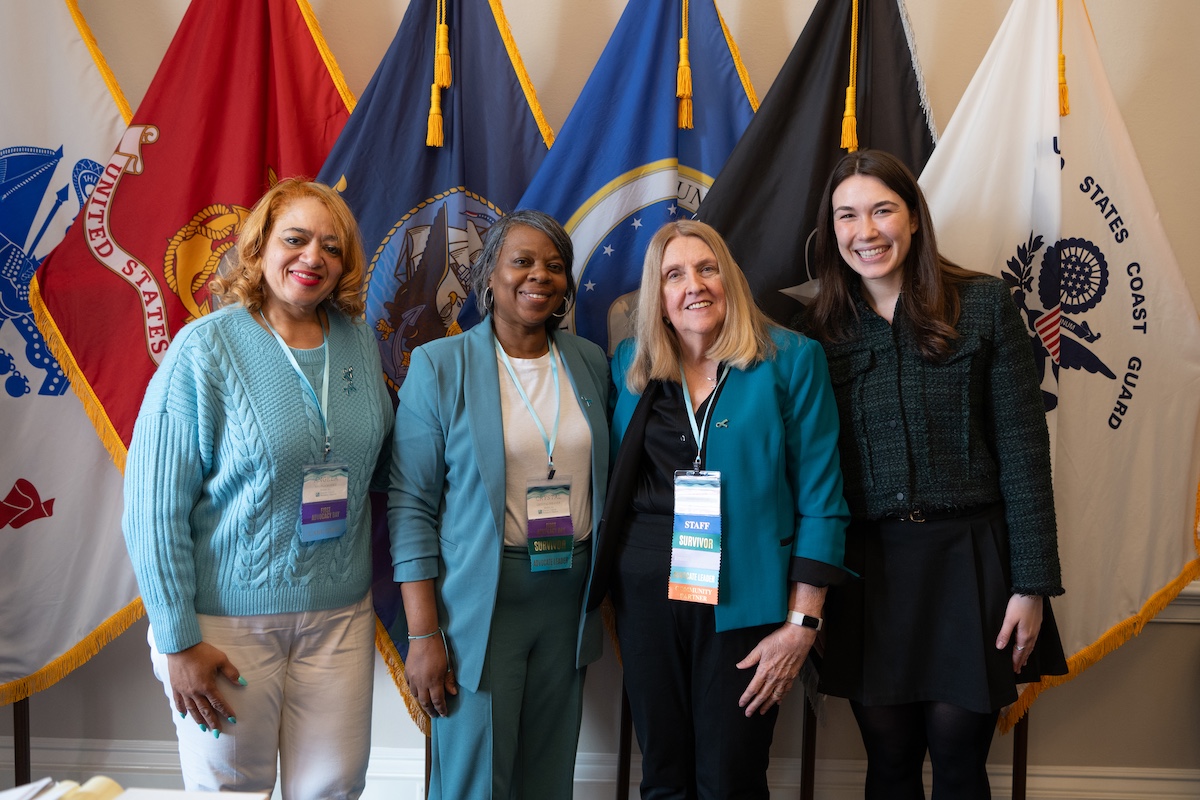
Written by Julia Thayer, OCRA’s Associate Director, Advocacy Federal Rulemaking Update: Proposed Update to Uniform Guidance Advocacy isn’t limited to legislation and federal funding. This month, OCRA submitted a public comment on a proposed federal rule that could significantly impact how biomedical research is funded and conducted. On May 29, 2026, the Office of Management … Continued

Nearly 500 people have already registered for OCRA’s International Gynecologic Cancer Conference®—the largest conference dedicated to the gynecologic cancer community—taking place on September 16–17. The conference is free, online, and open to all, and will include programming for ovarian, endometrial, cervical, and rare gynecologic cancers. For the first time, each of these diseases will have a dedicated Ask the Experts session. Learn … Continued
Get email updates about research news, action alerts, and ways to join the fight.
Our website uses cookies to ensure you get the best experience. By continuing to use this website, you indicate that you have read and agree to our Terms of Use and Privacy Policy.