
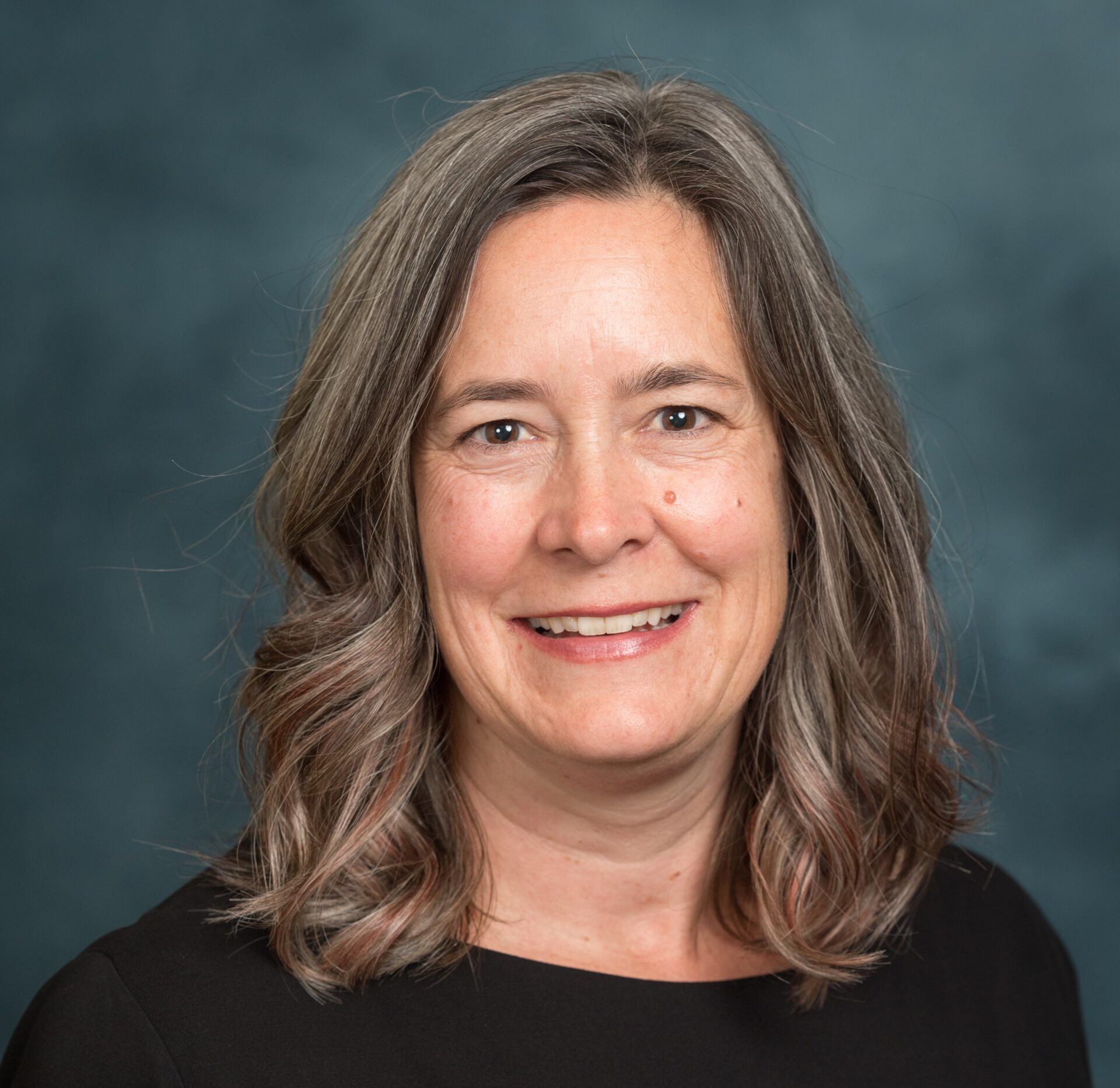
Leigh Pearce, PhD, MPH
AI to Predict Exceptional and Poor Survival From Real World Biomarkers for Clinical Application
2026 AI Accelerator Grant
University of Michigan
Project Summary
This project uses advanced artificial intelligence to predict survival outcomes for people with high-grade serous ovarian cancer. By analyzing a wide range of clinical and biological data from hundreds of patients from Australia, Canada, the United Kingdom, and the United States, we hope to better identify which individuals will benefit from specific treatments, including clinical trials and PARP inhibitors. Our goal is to improve patient care, help tailor treatment choices, and ultimately enhance survival and quality of life for those facing this challenging disease.
Bio
Dr. Leigh Pearce has studied the epidemiology of ovarian cancer for more than 25 years. Her focus is on translational research with the goals of reducing ovarian cancer incidence and mortality and improving other outcomes for survivors. She believes in team science and thrives when building collaborative research teams to address the most pressing questions in ovarian cancer research. Dr. Pearce was instrumental in establishing the Ovarian Cancer Association Consortium (OCAC). Through her work with OCAC, she has discovered novel risk factors for ovarian cancer allowing for improved risk stratification for precision prevention. She has also led the international Multidisciplinary Ovarian Cancer Outcomes Consortium (MOCOG) for more than a decade to understand long-term survival with advanced stage, high-grade serous cancer. Dr. Pearce is a Professor in the Department of Epidemiology in the School of Public Health and a Rogel Scholar at the University of Michigan.
AI Accelerator Grant International Research Team
-
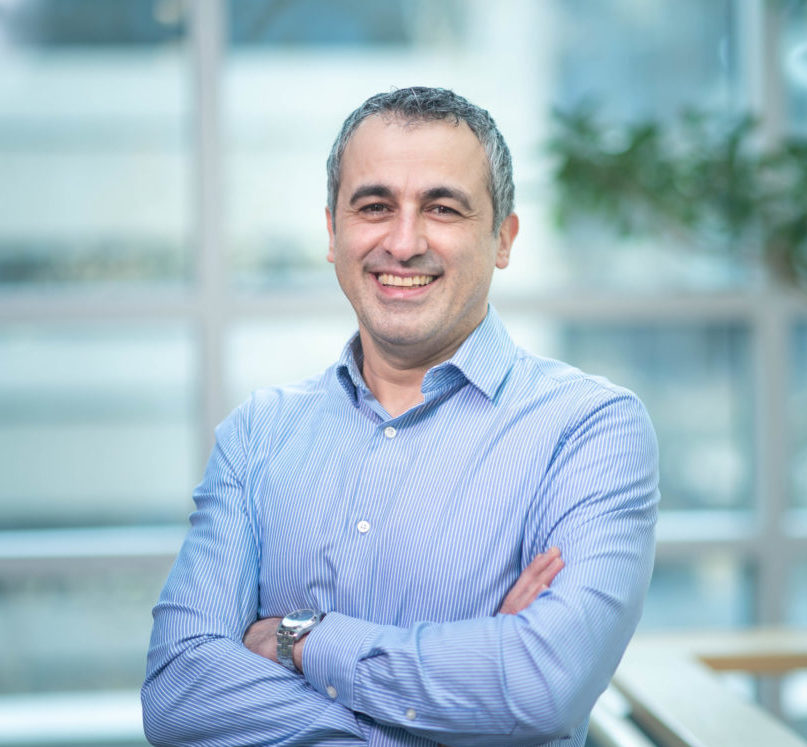
Dr. Ali Bashashati is an Associate Professor with the Department of Pathology and School of Biomedical Engineering at UBC and Director of Artificial Intelligence (AI) and Bioinformatics Research in BC’s Ovarian Cancer Research Program. Dr. Bashashati’s research area lies at the interface between computational, engineering and biomedical sciences. He is interested in developing machine-learning algorithms to combine various sources of imaging, digital pathology and ‘omics data in the context of cancer. Dr.Bashashati aims to improve pathology efficiency, identify new biomarkers for treatment selection and derive biological insights for various health conditions with major emphasis on cancer. He has published extensively in cancer genomics, bioinformatics, computational biology, and machine learning. His papers, cited more than 21,000 times, have appeared in top-tier journals such as Nature, Nature Genetics, and Nature Medicine as well as top-tier AI conferences.
-

Dr. James D. Brenton is a medical oncologist specializing in gynaecological cancer, a senior group leader at the Cancer Research UK (CR-UK) Cambridge Institute and Professor of Ovarian Cancer Medicine in the University of Cambridge. He leads the Functional Genomics of Ovarian Cancer Laboratory and is joint lead for the CRUK Cambridge Centre Women⁺s Cancer programme and the Mark Foundation Institute for Integrated Cancer Medicine. He was elected as a Fellow of the European Academy of Cancer Sciences in 2015. His research focuses on understanding the extreme genomic complexity of ovarian cancer and identifying blood and tissue genomic biomarkers to predict therapy. His group was the first to show that mutations in the TP53 gene are ubiquitous in high grade serous ovarian carcinoma and to discover copy number aberration signatures of mutational processes. He has used these discoveries to develop personalized circulating tumour DNA assays and genomic biomarkers in clinical trials.
-
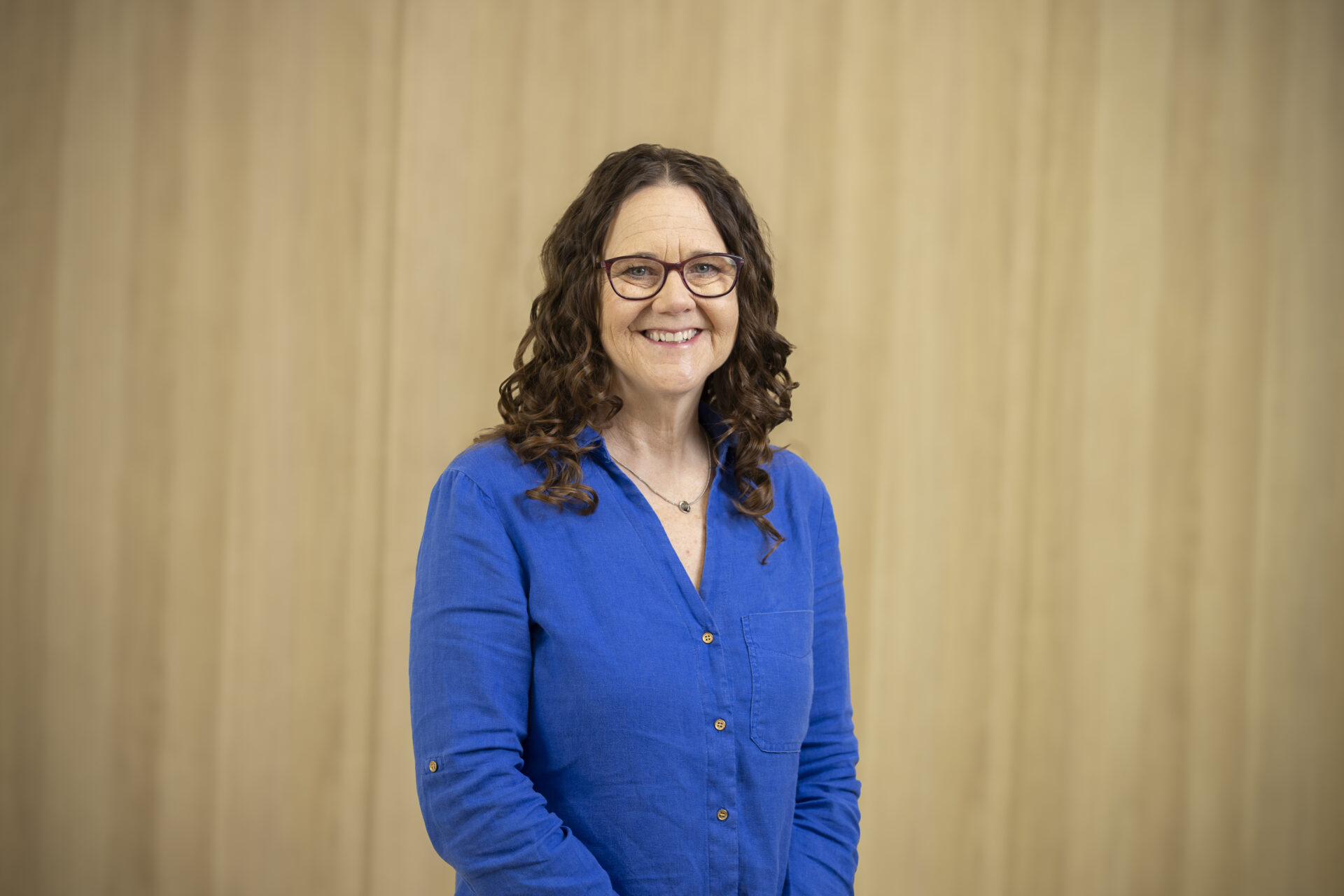
Professor Susan Ramus is an international ovarian cancer researcher, in the School of Clinical Medicine, UNSW Sydney, Australia. She received her PhD from the University of Melbourne and has worked at the University of Cambridge, University of Melbourne, University College London, and University of Southern California. She is an NHMRC L3 investigator and her interests include genomics and transcriptomics of tumors to improve ovarian cancer prognosis and genetics to enable risk prediction. She established and co-leads the international Ovarian Tumor Tissue Analysis (OTTA) consortium and is a member of the steering committee of the Ovarian Cancer Association Consortium (OCAC).