
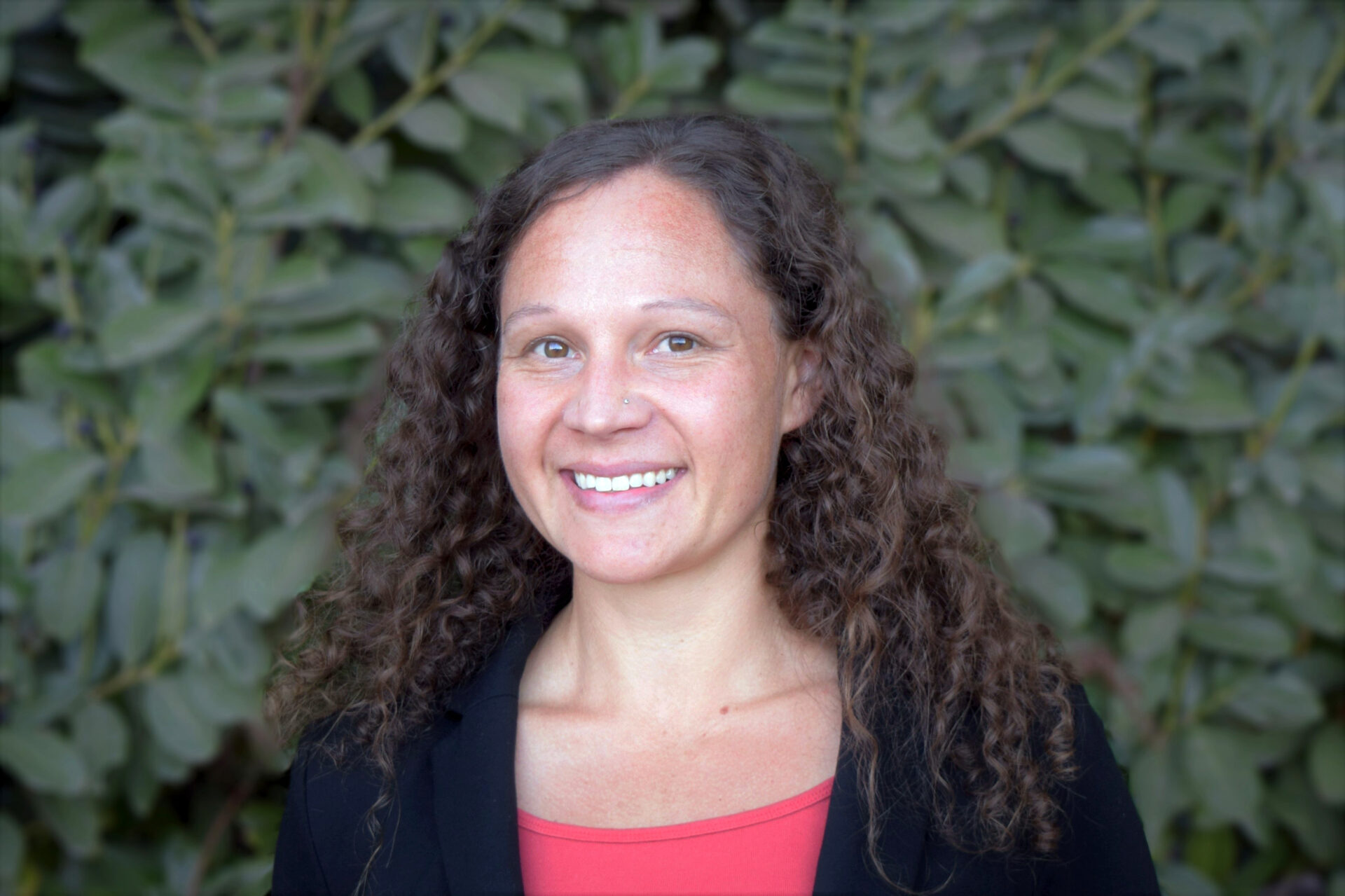
Lindsay Collin, PhD
Role of neighborhood socio-structural factors on the tumor epigenome and racial disparities
2026 Health Equity Grant
Emory University
Project Summary
Where we live is important for health outcomes. Living in a neighborhood with more poverty, less green space, or more pollution disproportionately impacts Black women. Black women with ovarian cancer also have worse survival than White women. However, we do not fully understand how place influences survival among Black and White ovarian cancer patients. Aspects of our neighborhood, such as exposure to stressors and environmental toxins, may lead to biologic changes that directly impact cancer development and progression. This study will explore the interplay between neighborhood, tumor biology, and survival to understand inequities in ovarian cancer survival.
Bio
Lindsay J. Collin, PhD, MPH, is an assistant professor of epidemiology at the Rollins School of Public Health, and a member of the Cancer Prevention and Control Research Program at the Winship Cancer Institute of Emory University. Dr. Collin earned her PhD in epidemiology from Emory University’s Rollins School of Public Health. She completed a postdoctoral fellowship focusing on molecular and ovarian cancer epidemiology at the Huntsman Cancer Institute at the University of Utah. Dr. Collin’s research program focuses on understanding factors that contribute to racial and ethnic disparities in ovarian cancer outcomes. To this end, she has adopted a multilevel framework to ensure translational potential of her research by investigating the interplay between sociocontextual factors, patient-level characteristics and tumor molecular features that contribute to disparities in ovarian cancer treatment, recurrence, and mortality. Her work has been supported by grants from the NIH, including a current K99/R00 award from the National Cancer Institute, that seeks to understand patterns of ovarian cancer recurrence and mortality, as well as to evaluate gene expression signatures in their association with ovarian cancer recurrence. She also has methodological interests in validation substudy design, quantitative bias analysis, and Bayesian statistical approaches to answer epidemiologic questions. She is dedicated to improving the lives of ovarian cancer patients and identifying actionable solutions to address cancer health inequities.