
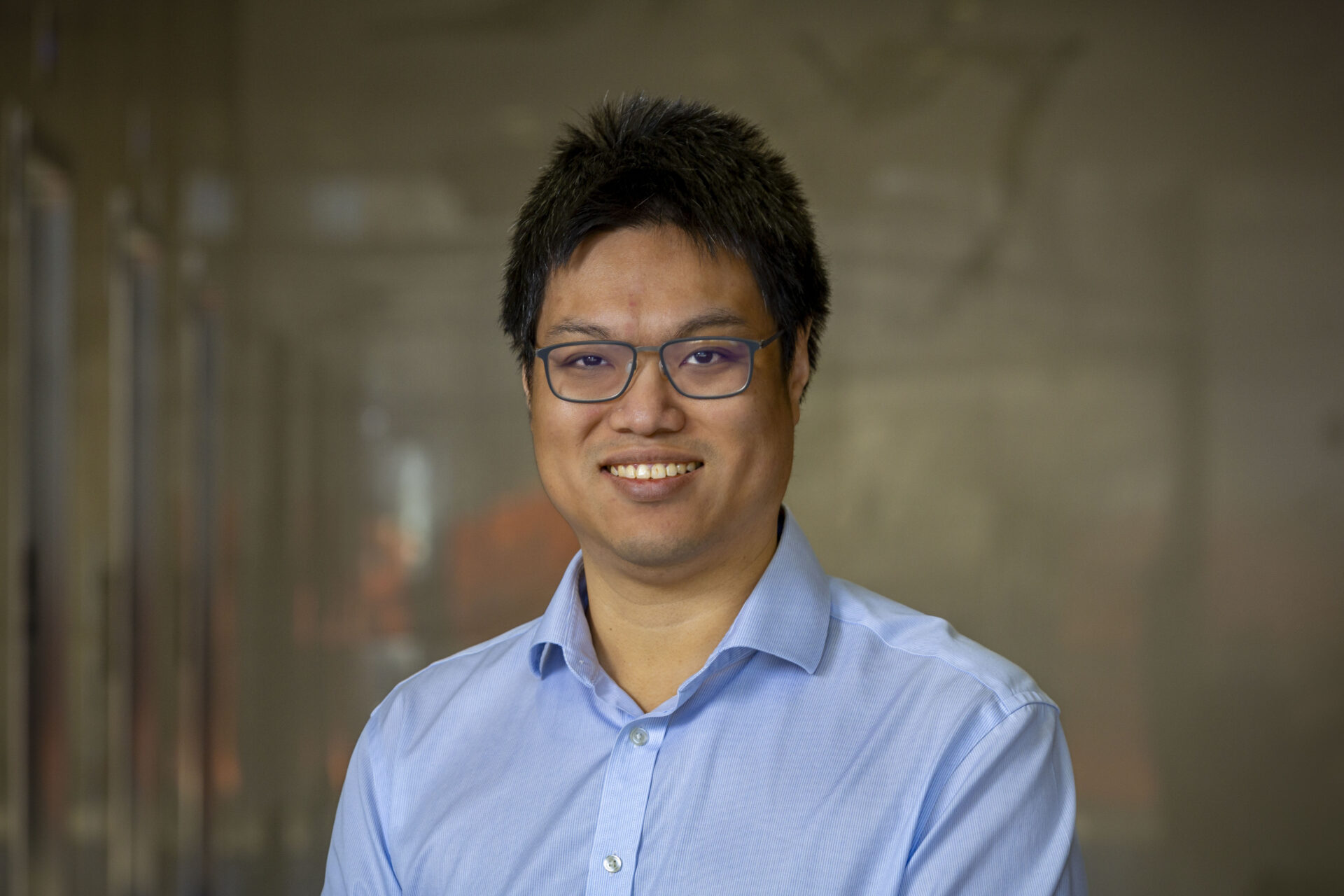
Samuel Lai, PhD
In vivo engineering of B7-H3.CAR-T cell therapy for ovarian cancer
2025 Rivkin Pilot Grant
The University of North Carolina at Chapel Hill
Project Summary
T cells are immune cells capable of killing specific cells in the body. There is increasing clinical success harnessing T cells to attack cancer, based on modifying a patient s T cells to display chimeric antigen receptor (CAR) that bind unique proteins on cancer cells. Such immune cell therapy, termed CAR-T, is particularly effective in blood cancers. Unfortunately, CAR-T remains a last line therapy, largely due to the time and exorbitant costs to manufacture CAR-T. Current CAR-T is also limited by modest efficacy against solid tumors, likely due to T cell exhaustion from current manufacturing methods. We seek to overcome these shortcomings to enable better CAR-T therapy for ovarian cancer. Specifically, instead of manufacturing CAR-T cells outside the body, we have developed a platform that enables direct engineering of CAR-T cells inside the body (i.e. in vivo), thus greatly reducing the time and costs. By avoiding expansion outside the body, we may also enhance CAR-T activity because CAR-T generated in vivo retain their full potential to expand and persist upon encountering the tumor cells. We have already demonstrated considerable success against aggressive lymphoma and metastatic lung cancer models. In this pilot project, we will perform key proof-of-concept studies demonstrating the feasibility of our approach to generate CAR-T cells that can specifically kill ovarian cancer cells, including in humanized mouse models of ovarian cancer.
Bio
Sam Lai, Ph.D., is a Professor of Pharmacoengineering & Molecular Pharmaceutics at the Eshelman School of Pharmacy in UNC – Chapel Hill, with joint appointments in Microbiology and Immunology. He directs a dynamic and highly multidisciplinary research program at UNC at the interface of immunology, bioengineering, nanotechnology, drug/gene delivery, mucosal health and computational modeling. Specific areas of research include: (1) antibody engineering for mucosal health; (2) elucidating and overcoming adaptive immune response to synthetic materials; (3) immunomodulation of the tumor microenvironment through antibody engineering, and (4) targeted in vivo editing of immune cells. Sam’s work has spawn multiple new areas of research, and his inventions have culminated in multiple FDA-approved products as well as active clinical trials. This included the first particle systems capable of traversing human mucus to deliver medicines to underlying cells and tissues, which formed the basis of FDA approved INVELTYS and EYSUVIS. He also pioneered the discovery and translational development of muco-trapping mAbs – mAbs that can interact with mucins to immobilize viruses, bacteria and cells. The platform led to Inhalon Biopharma, a clinical stage company with a pipeline of inhaled antibody treatments for respiratory infections, and Mucommune, which is advancing the platform for non-hormonal contraception and prevention of sexually transmitted infections. In vivo engineering of immune cells represents the next frontier in his lab’s continued evolution to advance impactful solutions to address unmet medical needs.