Written by Julia Thayer, OCRA’s Associate Director, Advocacy
With the 2026 midterm elections behind us, we’re looking ahead to a new Congress and the opportunities to advance policies that improve the lives of those affected by ovarian and other gynecologic cancers. As newly elected and returning lawmakers prepare for the next legislative session, we’ll be focused on building relationships on Capitol Hill, educating members of Congress about the issues facing our community, and continuing to push for policies that advance research and improve access to care.
Finishing FY2027 Funding for Gynecologic Cancer Programs
Before Congress turns its full attention to the next legislative session, there’s still important work to do this year. Lawmakers must finish the FY2027 appropriations process before the current funding extension expires on December 11. We are urging Congress to complete the process and provide the funding increases we’ve requested for critical gynecologic cancer programs, including the Ovarian Cancer Research Program, Johanna’s Law, and the Ovarian Cancer Control Initiative. These investments are essential to advancing research, improving early detection and prevention, and expanding access to education and support. We’ll continue working with our champions in Congress to ensure these priorities remain on the table through the final negotiations.
Building Support for the Ovarian Cancer IMPACT Act
One of our biggest priorities for the next Congress is the Ovarian Cancer IMPACT Act, bipartisan legislation championed by OCRA and introduced in Congress this fall. The bill aims to address gaps in ovarian cancer education, prevention, diagnosis, and access to care, with a particular focus on improving access for rural and underserved communities.
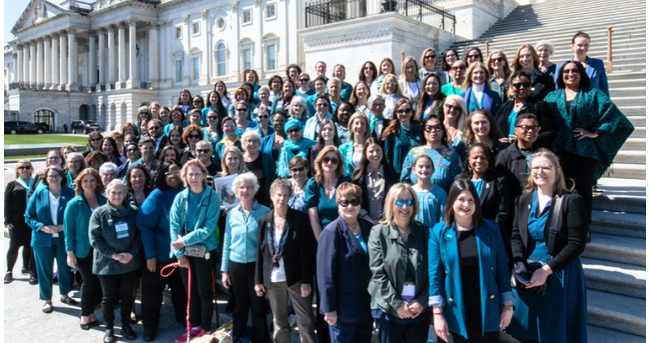
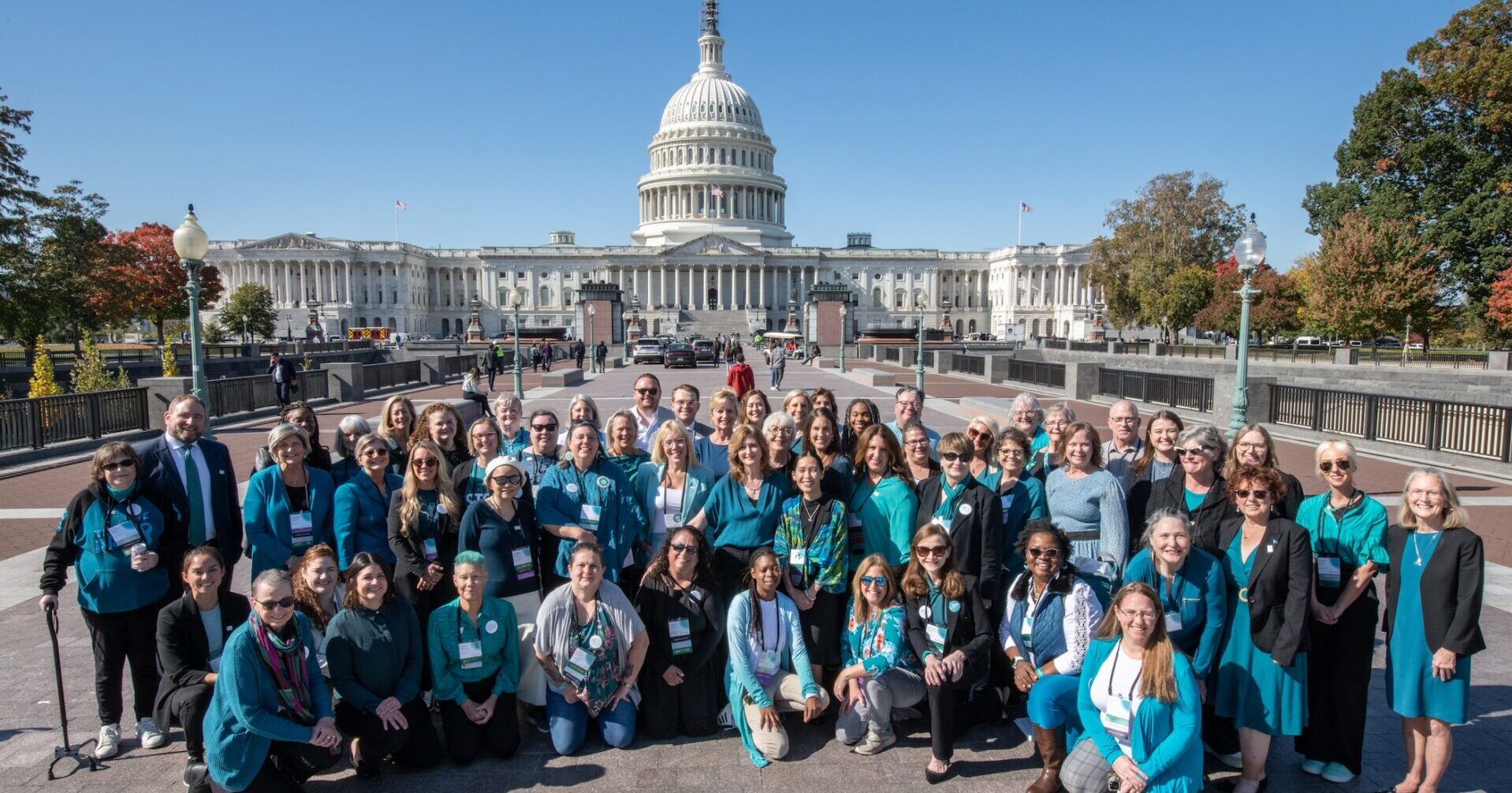
Getting this legislation introduced was an exciting milestone, but it is just the beginning. Over the past several weeks, we’ve been working with our Advocate Leaders to meet with congressional offices and build support for the bill. As we prepare for its reintroduction in the new Congress, we’ll continue these conversations while also reaching out to newly elected lawmakers to help them understand the challenges facing patients and families. Our advocates play such an important role in this work by sharing their personal experiences and helping lawmakers understand why these policies matter.
Take Action: Help Build Support for These Efforts
We currently have three active Action Alerts calling on Congress to support legislation and funding that would improve care for people affected by cancer:
- FY2027 Appropriations: Urge Congress to finish the FY2027 appropriations process before the current funding extension expires on December 11, and provide the funding increases we’ve requested for critical gynecologic cancer research, education, and prevention programs.
- Ovarian Cancer IMPACT Act: Urge your lawmakers to support legislation expanding access to genetic testing, education, prevention, and specialized care.
- Clinical Trial Modernization Act: Encourage Congress to support legislation that would make clinical trials more accessible by reducing financial and logistical barriers to participation.
Visit OCRA’s Take Action page to participate in these campaigns. You can also sign up for action alerts to receive email notifications when new opportunities to take action become available. It only takes a few minutes to contact your elected officials, and every message helps show lawmakers that these issues matter to their constituents.
Thank You to Our Advocacy Community
We’re also excited to welcome a new cohort of Advocate Leaders in 2027, who will join our current advocates in bringing their voices and experiences to this work. With Thanksgiving approaching, we want to take a moment to thank our entire advocacy community for the time, energy, and dedication they bring to advancing our mission. We are so grateful for all that you do.
Elections may change the faces in Congress, but our mission remains the same. Together, we’ll continue building the relationships, awareness, and support needed to turn advocacy into meaningful policy change!