Written by Julia Thayer, OCRA’s Associate Director, Advocacy
Federal Rulemaking Update: Proposed Update to Uniform Guidance
Advocacy isn’t limited to legislation and federal funding. This month, OCRA submitted a public comment on a proposed federal rule that could significantly impact how biomedical research is funded and conducted.
On May 29, 2026, the Office of Management and Budget (OMB) released a proposed update to the Uniform Guidance, the framework governing federal financial assistance. If finalized as written, the rule would make several changes to how federal grants are reviewed and managed across the government. Because these changes would apply broadly across federal grantmaking, they could influence how cancer research is reviewed, funded, and carried out for years to come.
OCRA joined nearly 500,000 individuals and organizations in submitting comments before the July 13 deadline. This level of public participation underscores the broad interest in the proposed rule.
OCRA’s comments highlighted concerns about three provisions that could affect cancer research and patient care:
- Protecting scientific peer review. The proposal would require senior political appointees to approve discretionary grant awards before funding decisions are finalized. OCRA urged OMB to preserve independent scientific peer review as the primary basis for funding decisions and ensure any additional review is transparent and minimizes delays.
- Safeguarding clinical trials. The proposed rule would allow certain grant-funded projects to be terminated before completion. OCRA expressed concern that disrupting active clinical trials could negatively affect patients, disrupt ongoing research, and delay scientific progress, and recommended exempting active clinical trials unless there are concerns related to patient safety, scientific misconduct, or legal noncompliance.
- Supporting research that improves patient outcomes. OCRA also asked OMB to clarify that researchers can continue studying differences in disease burden, healthcare access, clinical outcomes, and clinical trial participation. This research is essential to identifying barriers to care and improving outcomes for all patients.
We will continue to monitor this proposal and advocate for policies that support high-quality research, protect patients, and ensure researchers can continue pursuing discoveries that improve patient care.
Legislative Update
Congress continues to consider legislation aimed at improving healthcare affordability and transparency.
On July 21, the House Energy and Commerce Committee advanced two bills, the Lower Costs, More Transparency Act, and the Prices on the Wall Act, which would increase healthcare price transparency and help lower patients’ out-of-pocket costs by expanding access to upfront pricing information and addressing certain healthcare fees.
On July 22, the Senate Health, Education, Labor, and Pensions (HELP) Committee advanced two bipartisan bills to improve healthcare affordability. The Expedited Access to Biosimilars Act would streamline the approval process for lower-cost biosimilars, and the Patients Deserve Price Tags Act would strengthen healthcare price transparency by requiring providers to publicly disclose pricing information.
OCRA will continue monitoring these bills as they move through the legislative process.
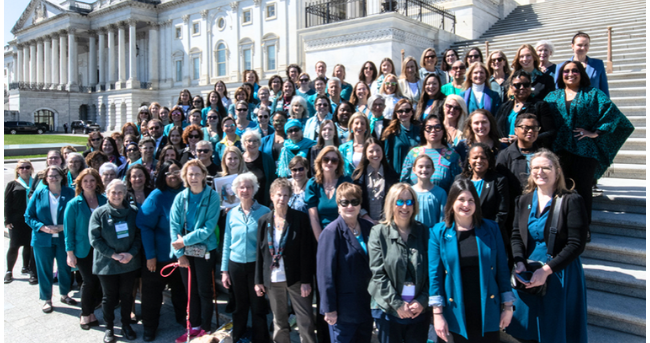
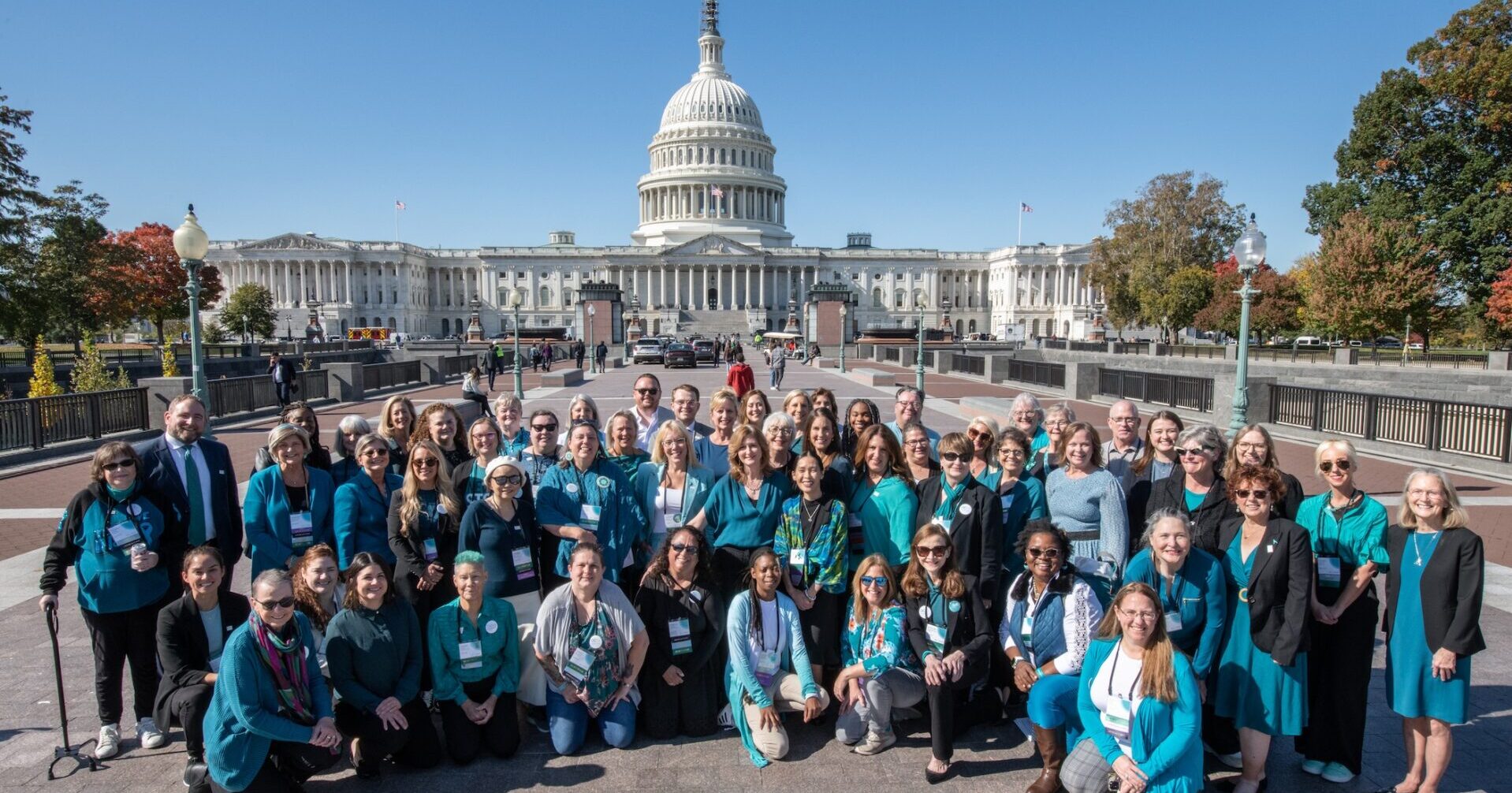
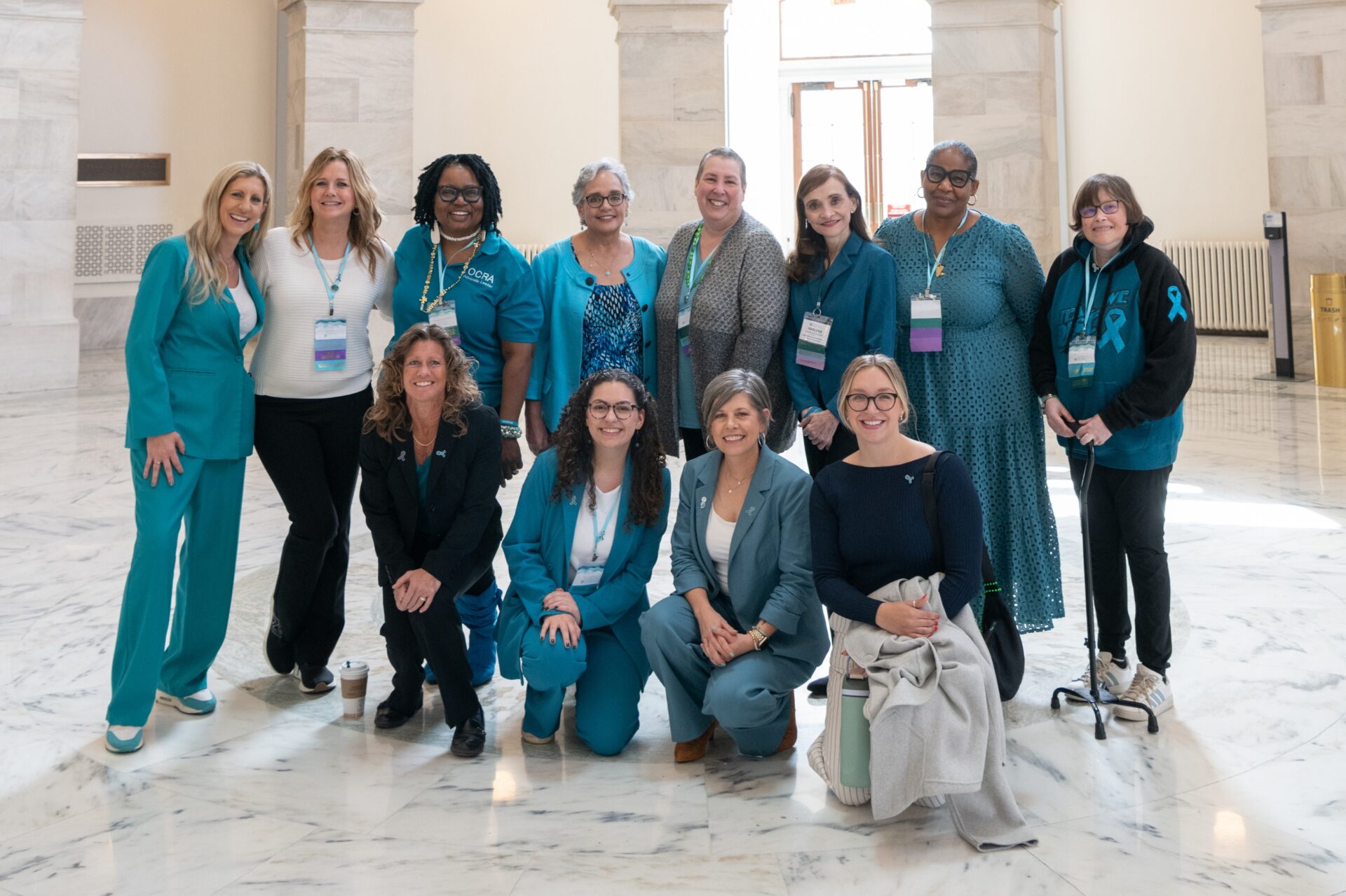
Whether through meetings with lawmakers, responding to action alerts, or participating in the federal rulemaking process, OCRA remains committed to ensuring the voices of gynecologic cancer patients, caregivers and advocates are heard. We are grateful to all who continue to fight for policies that protect patients and strengthen the future of biomedical research.