Written by Julia Thayer, OCRA’s Associate Director, Advocacy
Federal Funding Update: Two Priorities Gain Ground
There’s encouraging news to share from this year’s federal funding process: two of OCRA’s top priorities are in line for more funding than they received last year.
The House Appropriations Committee has recommended increases for both Johanna’s Law and the CDC’s Ovarian Cancer Control Initiative (OCCI):
- Johanna’s Law: $13 million, up from $12 million in FY26
- OCCI: $16.5 million, up from $15.5 million in FY26
Though these numbers aren’t final and fall slightly below what OCRA advocated for, this potential increase signals real and growing congressional support for our community—and your advocacy is a direct reason why.
How we got here
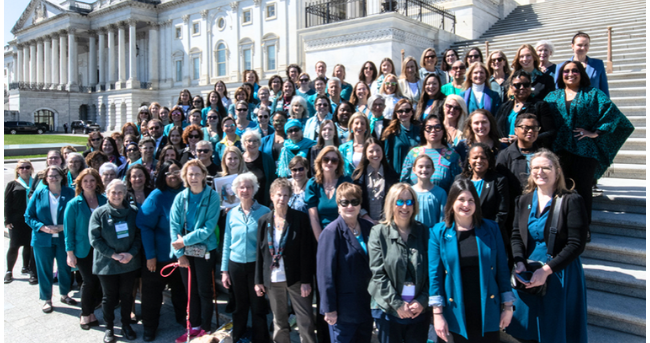
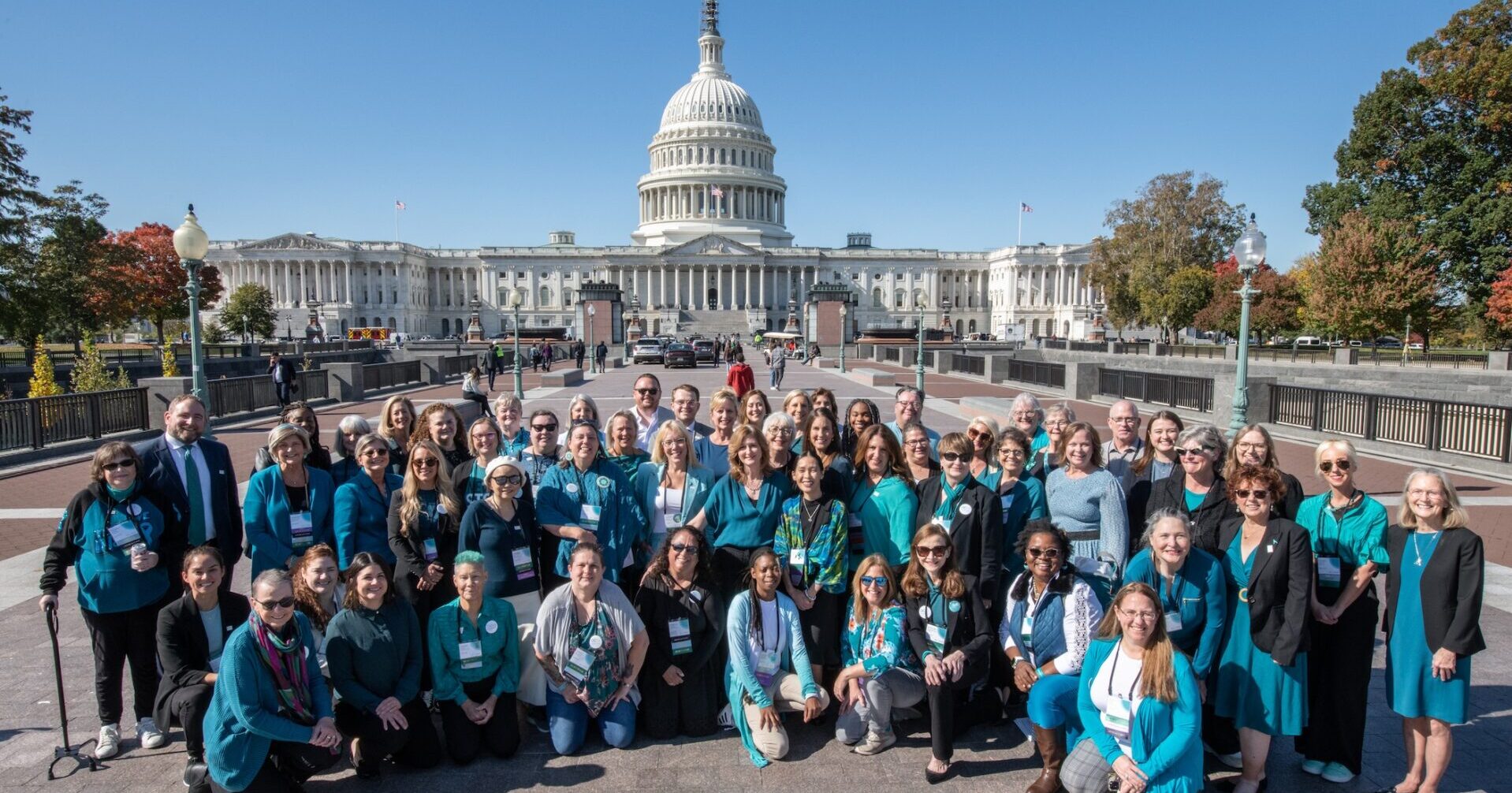
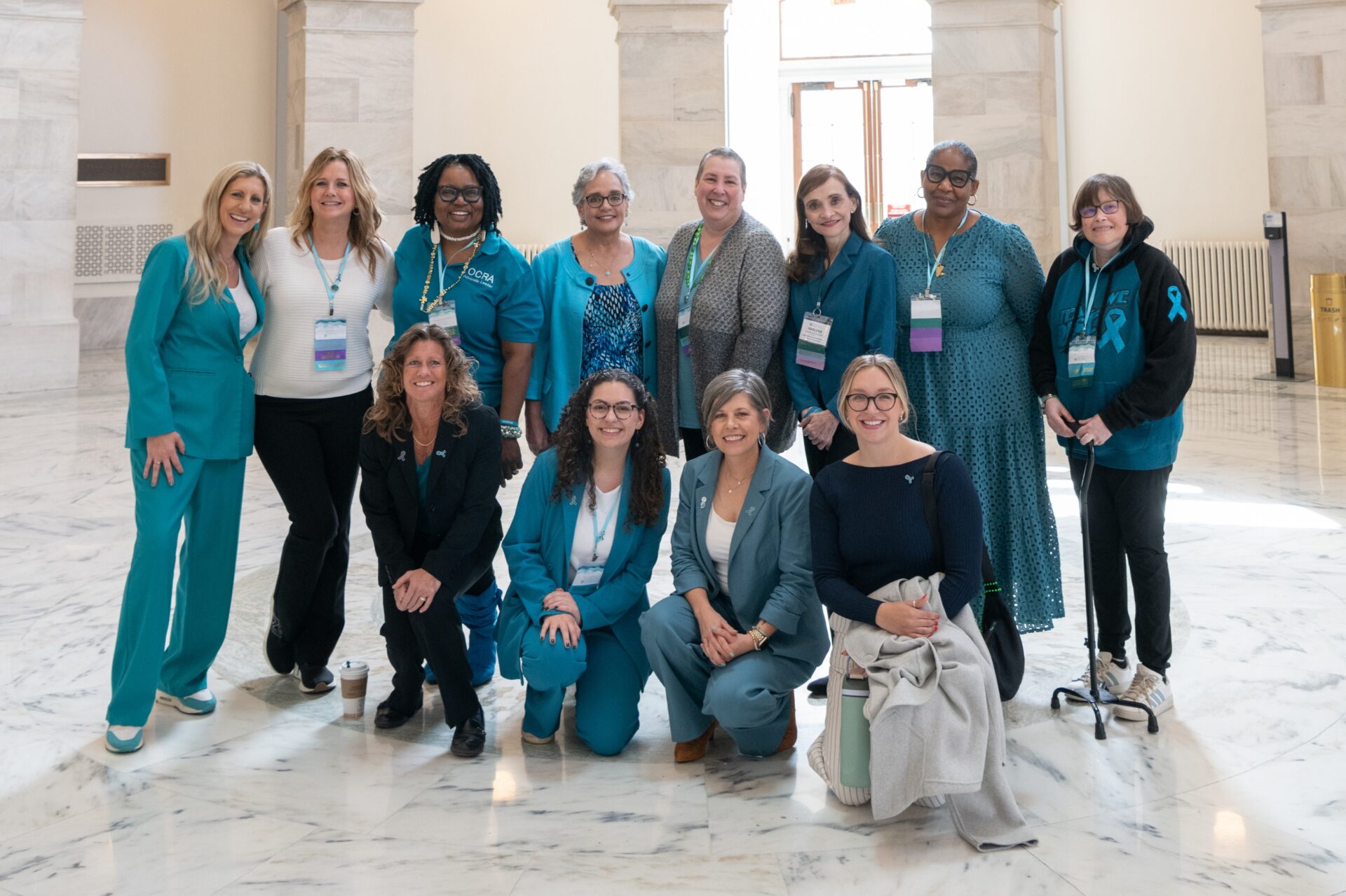
Back in March, OCRA advocates traveled to Capitol Hill for Advocacy Day to urge lawmakers to invest in ovarian and gynecologic cancer research, education, and awareness. Together, we requested the following FY27 funding levels:
- $15 million for Johanna’s Law gynecologic cancer education and awareness programs at the CDC
- $20 million for the CDC’s Ovarian Cancer Control Initiative (OCCI)
- $52.5 million for the Department of Defense Ovarian Cancer Research Program (OCRP)
This month, the House Appropriations Committee approved the Labor, Health and Human Services, Education, and Related Agencies Appropriations Act, which recommended the increases for Johanna’s Law and OCCI.
Funding for OCRP moves through the separate Defense Appropriations process. Current House report language recommends $50 million for OCRP—holding steady at FY26 levels. That’s below our $52.5 million request, but maintaining funding in this environment is itself a meaningful outcome.
None of these levels are final, but together they reflect recognition of why sustained federal investment in ovarian and gynecologic cancer matters. Your advocacy helped Congress enter these negotiations from a stronger position.
OCRA’s Policy Team Tracks Critical Health Care and Research Legislation
This month, members of OCRA’s policy team attended several congressional hearings and policy discussions focused on health and research priorities.
The House Energy and Commerce Committee’s Subcommittee on Health held a hearing on the need for greater transparency in the healthcare system. Members and witnesses discussed giving patients more information about pricing so they can make informed decisions about their care.
The Senate Health, Education, Labor, and Pensions (HELP) Committee held an Executive Session on several relevant bills, including:
- S. 2339: EARLY Act Reauthorization Act — would reauthorize the Young Women’s Breast Health Education and Awareness Requires Learning Young Act through 2026–2031.
- S. 3014: Ensuring Timely Access to Generics Act — would give the FDA authority to reject citizen petitions designed to stall approval of generic and biosimilar drugs, making it easier for generics to reach the market and lower drug costs for patients.
- S. 1954: Biosimilar Red Tape Elimination Act — would allow the FDA to automatically deem approved biosimilars interchangeable with their brand-name counterparts, increasing competition and lowering drug costs for patients.
These bills now await action on the Senate floor, and OCRA will continue monitoring developments that may impact patients and the broader cancer community.
Advocacy Opportunity: Support the Clinical Trial Modernization Act
Last month, we shared exciting news on the Senate re-introduction of the Clinical Trial Modernization Act (H.R. 3521/S. 4440). This bipartisan legislation aims to reduce barriers to clinical trial participation by addressing challenges such as travel, lodging, and other out-of-pocket costs that can make enrollment difficult for patients.
OCRA has launched an action alert so advocates can contact their lawmakers and encourage support for this important legislation.
Take action here: https://www.votervoice.net/OCRA/Campaigns/138209/Respond
Thank you for your advocacy—and stay tuned for more updates.