
Discovered that blocking a key nutrient while also using immunotherapy could offer a promising new treatment strategy for around half of ovarian clear cell cancers.
Ovarian Cancer Research Results & Impact
Impact & Results
OCRA’s deep commitment to cutting-edge research has made it a beacon for gifted scientists from across the country and around the world.
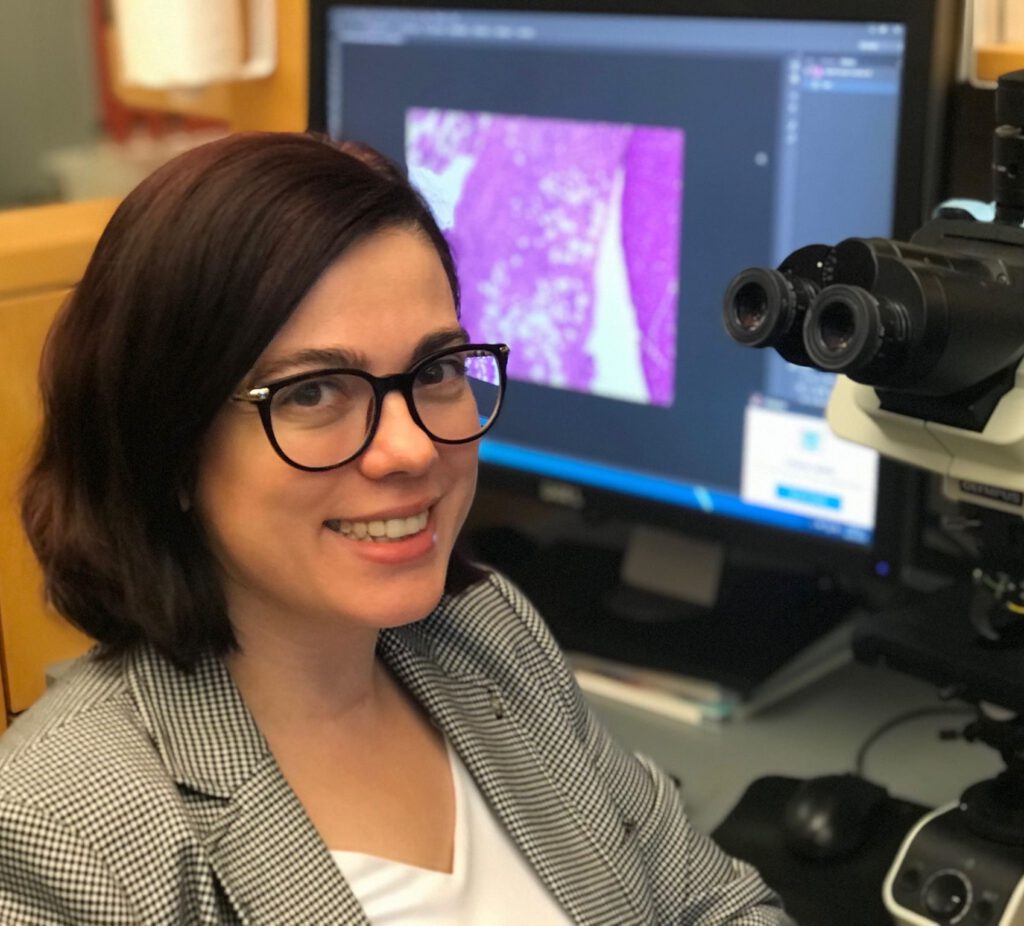
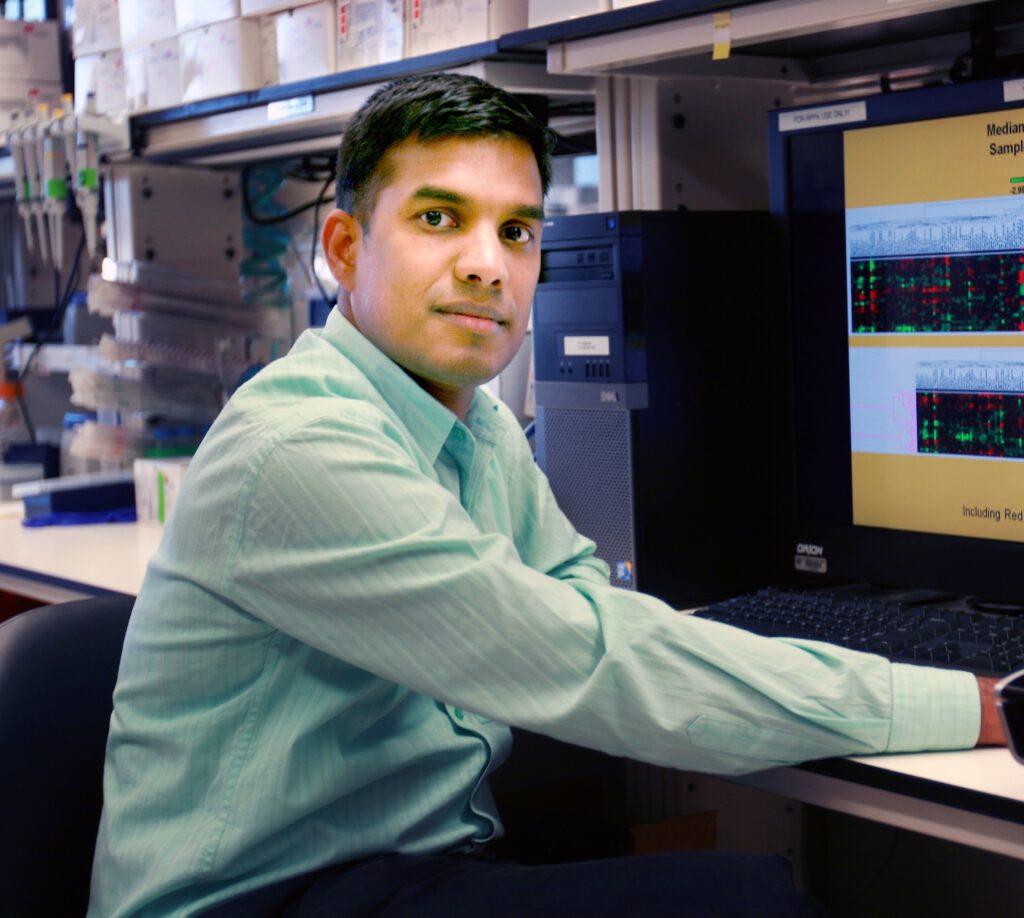
Our Impact
Over the past several decades, OCRA has invested $150 million in ovarian and related gynecologic cancer research, making it the largest global funder of research by far in the fight against this cancer. Thanks to OCRA’s efforts, researchers have made tremendous progress in better understanding, preventing, and treating ovarian and related gynecologic cancers, leading to new hope in achieving improved patient survival, effective treatments, and higher quality standards of care.
Our Numbers Tell The Story
- Invested in research
- $150M
- Grantees funded since inception
- 450+
- Increase in 5-year survival rate since the 1970s
- 585%
Harnessing AI for Early Detection
In partnership with Microsoft AI for Health, OCRA researchers are using AI to develop a blood test with the potential to detect ovarian cancer at earlier, more treatable stages.
Outstanding Results, Lasting Impact
Here is a sampling of the most recent major breakthroughs OCRA grantees have made in the fight against ovarian cancer
Developed a pioneering AI tool to better predict treatment response, a step toward earlier personalized treatment plans.
Systematically tested existing therapies to find an effective drug combination that shows promise as a treatment for ovarian cancer.
Found that among people diagnosed with an early ovarian cancer precursor, older patients and Black patients face worse survival, underscoring the urgent need for more tailored care and treatment strategies.
Found that mucinous ovarian cancers with specific gene changes were associated with worse survival even at early stages, suggesting genetic testing at diagnosis may help guide care and predict outcomes.
Uncovered key differences in immune environments between primary tumors and metastases that may explain why high-grade serous ovarian carcinoma often suppresses the immune system.
Related Topics

The Overview: June 2026
Nearly 500 people have already registered for OCRA’s International Gynecologic Cancer Conference®—the largest conference dedicated to the gynecologic cancer community—taking place on September 16–17. The conference is free, online, and open to all, and will include programming for ovarian, endometrial, cervical, and rare gynecologic cancers. For the first time, each of these diseases will have a dedicated Ask the Experts session. Learn … Continued

Inside the Think Tank: Stopping Ovarian Cancer Before it Starts
On June 1–2, the Ovarian Cancer Observatory—part of OCRA’s broader investment in research initiatives—convened its first in-person Forum in Vancouver. Roughly 50 of the field’s brightest clinicians, pathologists, and epidemiologists gathered for what became, in essence, a two-day think tank on preventing ovarian cancer. The Observatory is funded through a grant from OCRA and was … Continued
OCRA-Funded ROCCA Platform Launches to Accelerate Rare Ovarian Cancer Research
OCRA is proud to announce the launch of the Rare Ovarian Cancer Collaborative Analytics (ROCCA) Platform, an international federated data network funded by OCRA to connect researchers globally and accelerate breakthroughs in rare ovarian cancer research. A collaborative approach to research for rare ovarian cancer ROCCA is launching with two foundational projects: one in mucinous … Continued