Ovarian Cancer Research Alliance (OCRA) has named Kenneth Nephew, PhD, as the winner of the 2026 Rosalind Franklin Excellence in Ovarian Cancer Research Prize.
For more than three decades, he has helped advance the field of ovarian cancer research through both his investigations into treatment resistance and his mentorship of others studying this disease.
“Dr. Nephew has spent his career tackling two of the most difficult challenges in ovarian cancer: understanding why treatments stop working and why the disease so often returns. His research has helped open new avenues for overcoming therapeutic resistance and addressing recurrence, bringing us closer to more effective, lasting treatments that patients urgently need,” said Audra Moran, President and CEO of OCRA.
Pioneering Research Into Ovarian Cancer Treatment Resistance
Currently serving as the Jerry W. and Peggy S. Throgmartin Chair in Oncology at the Indiana University Simon Comprehensive Cancer Center, Dr. Nephew and his team were the first to isolate and study ovarian cancer stem cells from patient tumors. These cells play a key role in disease recurrence, and the team’s findings demonstrated how they can be targeted through epigenetic therapies, laying the groundwork for clinical trials and the development of more effective treatments.
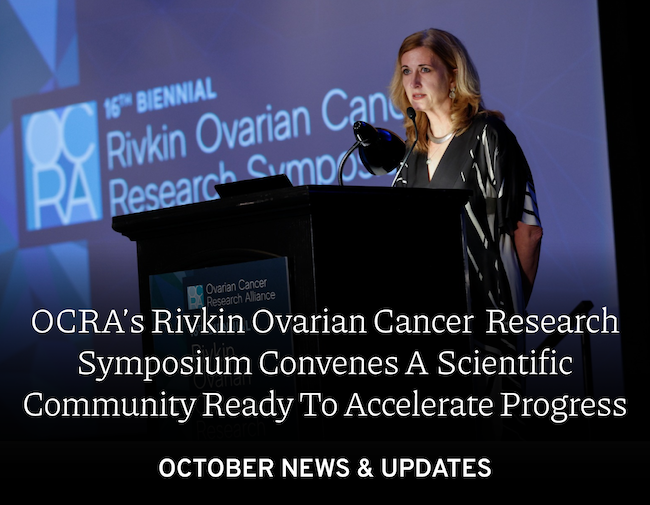
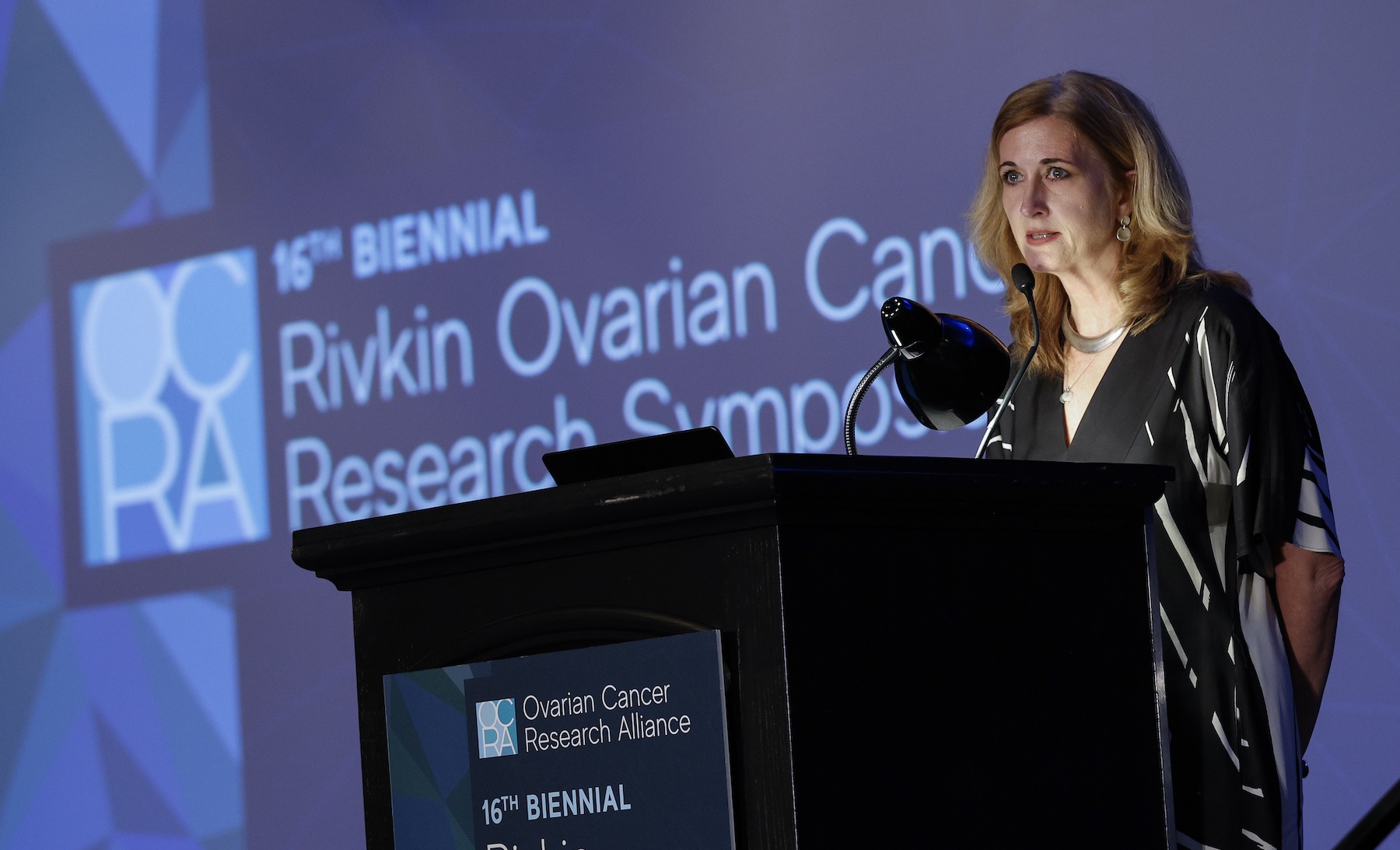
The Rosalind Franklin Prize was presented to Dr. Nephew last month at the 16th Biennial Rivkin Ovarian Cancer Research Symposium. He was chosen by a select panel of members from OCRA’s Scientific Advisory Committee.
Honoring the Legacy of Rosalind Franklin
Awarded annually to a senior researcher for contributions to basic science, translational, or clinical research in ovarian cancer, this $10,000 prize is named for Dr. Rosalind Franklin. An innovative molecular biologist, she played a vital role in discovering the structure of DNA before her death of ovarian cancer at age 37.
“Rosalind Franklin’s belief that if we work hard and do our absolute best, we will get closer to making a real difference is what drives me to work with a true sense of urgency for our patients,” said Dr. Nephew. “I chose to dedicate my entire professional life to this field because these resilient women deserve more than just a few extra months—they deserve lasting cures, and I knew our science could find the key to unlocking them.”