Researchers, clinicians, and advocates gather to share findings and build collaborations
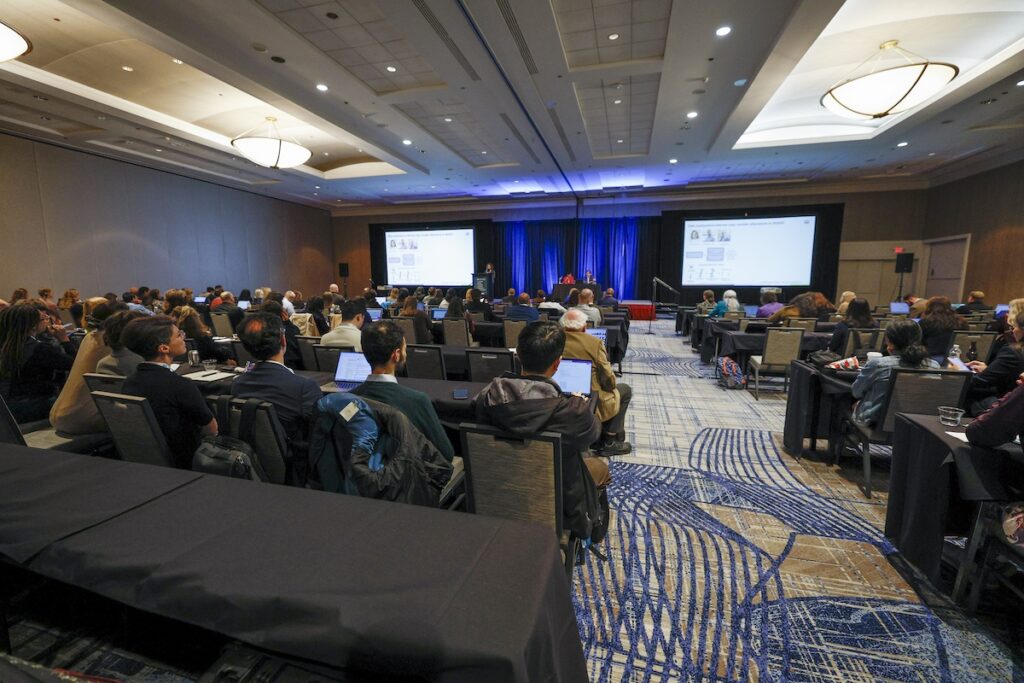
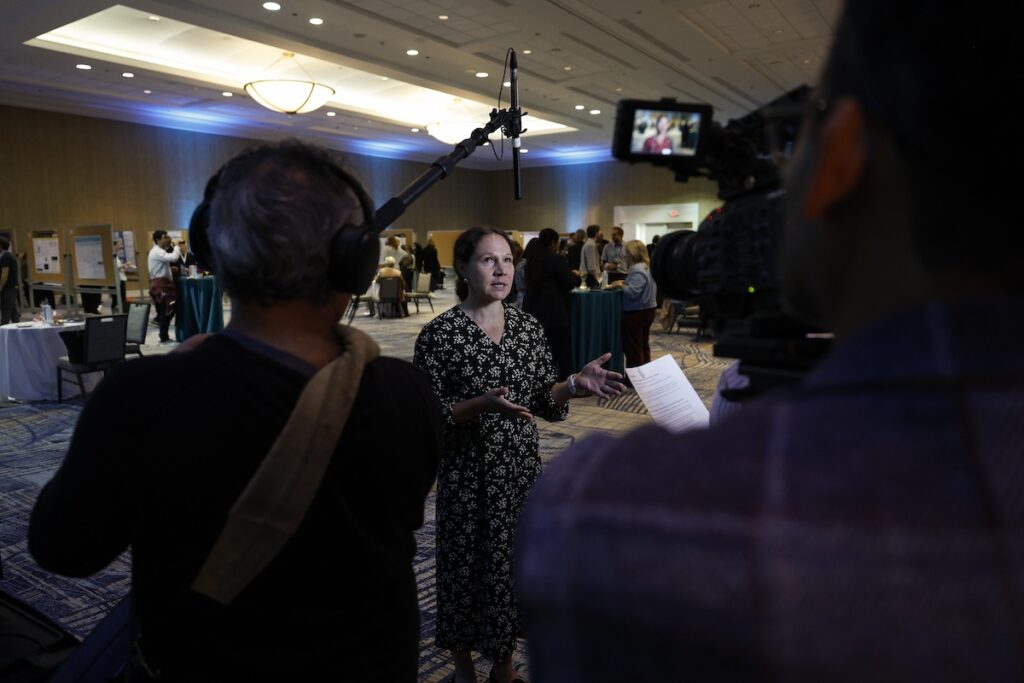
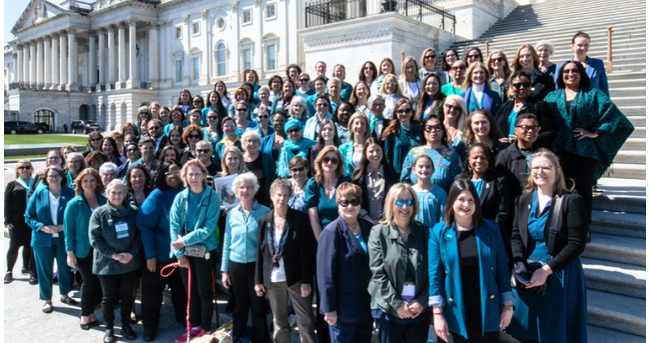
More than 375 researchers, clinicians, and advocates from across the ovarian cancer community gathered in Philadelphia for the 16th Biennial Rivkin Ovarian Cancer Research Symposium, presented for the first time by Ovarian Cancer Research Alliance (OCRA), from October 16-18. Founded in 1996 by the Rivkin Center for Ovarian Cancer Research, the Symposium is the longest-standing meeting dedicated to ovarian cancer.
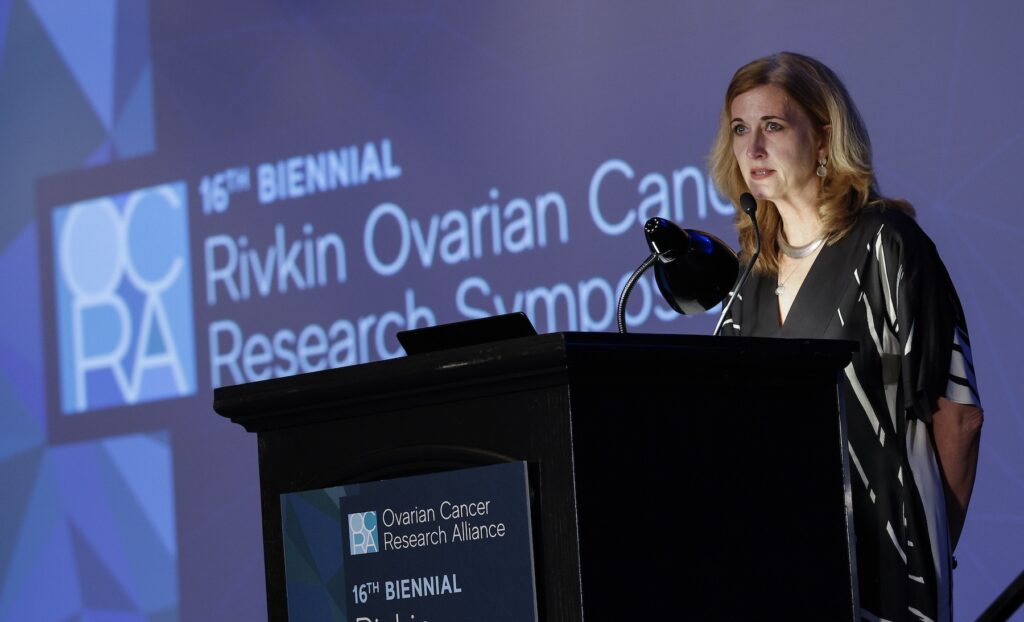
In her opening remarks, Audra Moran, President and CEO of OCRA, reflected on that legacy: “For 32 years, it has brought together scientists and clinicians to share discoveries, challenge assumptions, and advance ovarian cancer research. It is the longest-standing symposium dedicated to ovarian cancer, and we’re enormously proud to carry that tradition forward.”
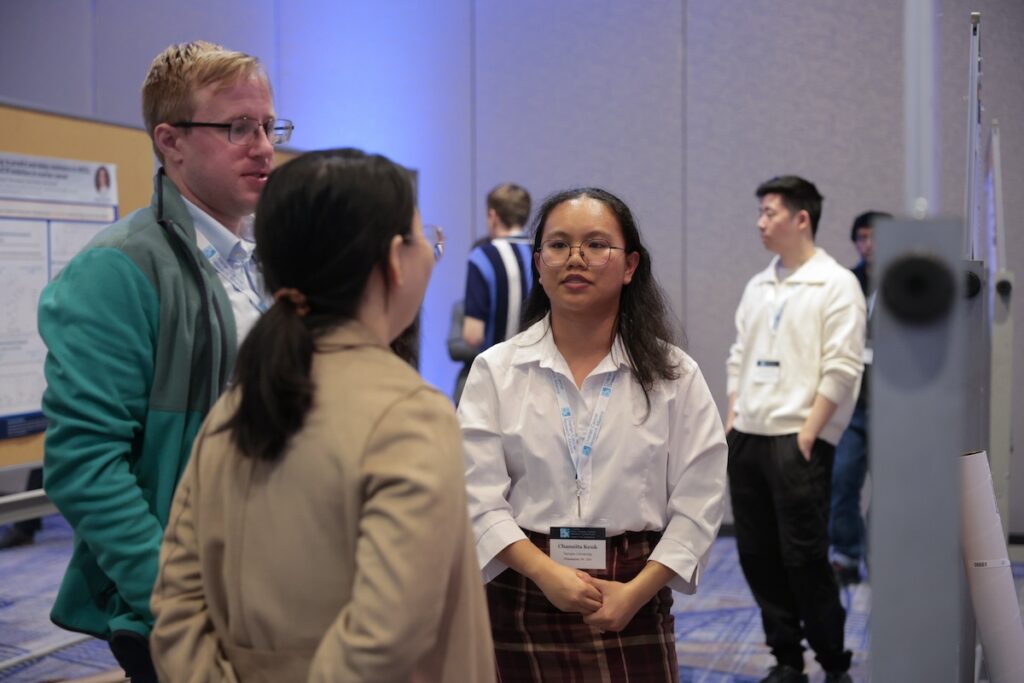
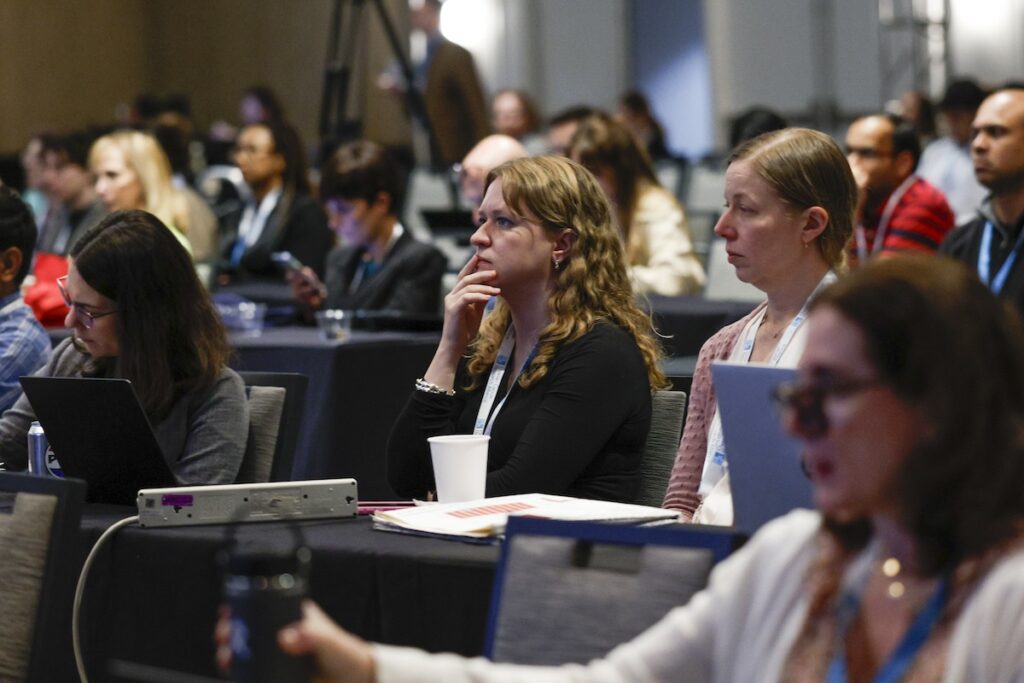
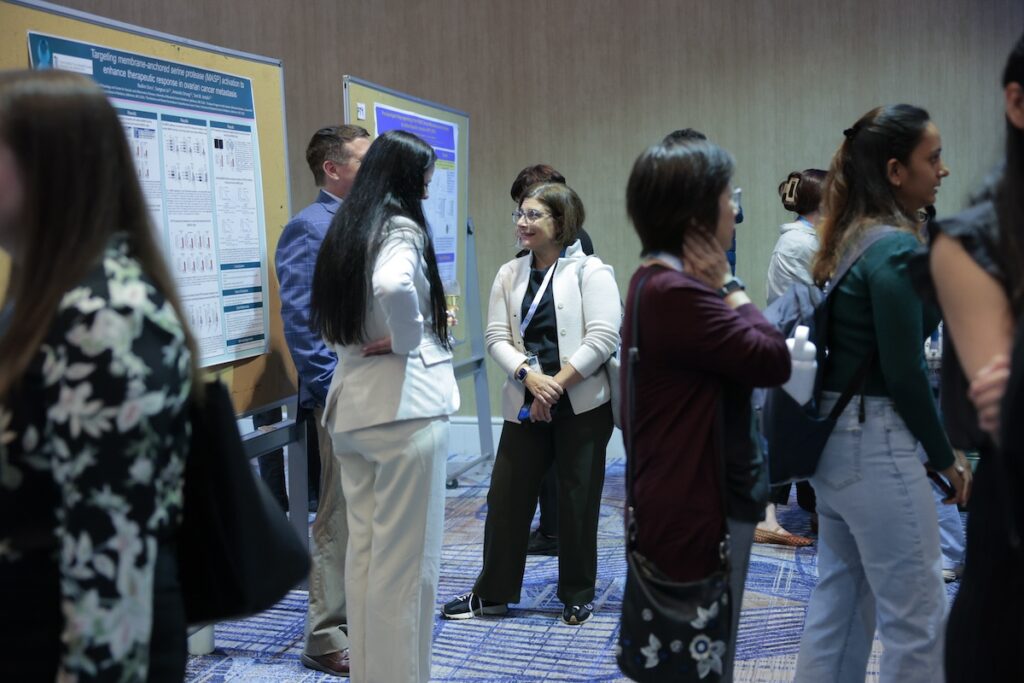
This year’s Symposium reflected the growing energy in ovarian cancer research, with abstract submissions climbing to 233, up from 140 in 2024. Alongside two keynote addresses and talks from 12 invited speakers, 29 researchers selected from the highest-scoring abstracts shared their findings in short talks, and almost 200 posters were presented.
Keynote speaker Ronny Drapkin, MD, PhD, opened the scientific program with a talk on decoding cancer before it begins. Sessions then spanned the full range of ovarian cancer research: immuno-oncology, overcoming drug resistance, health disparities, prevention and early detection, rare subtypes, new therapeutic approaches, and epidemiology, population science, and survivorship.
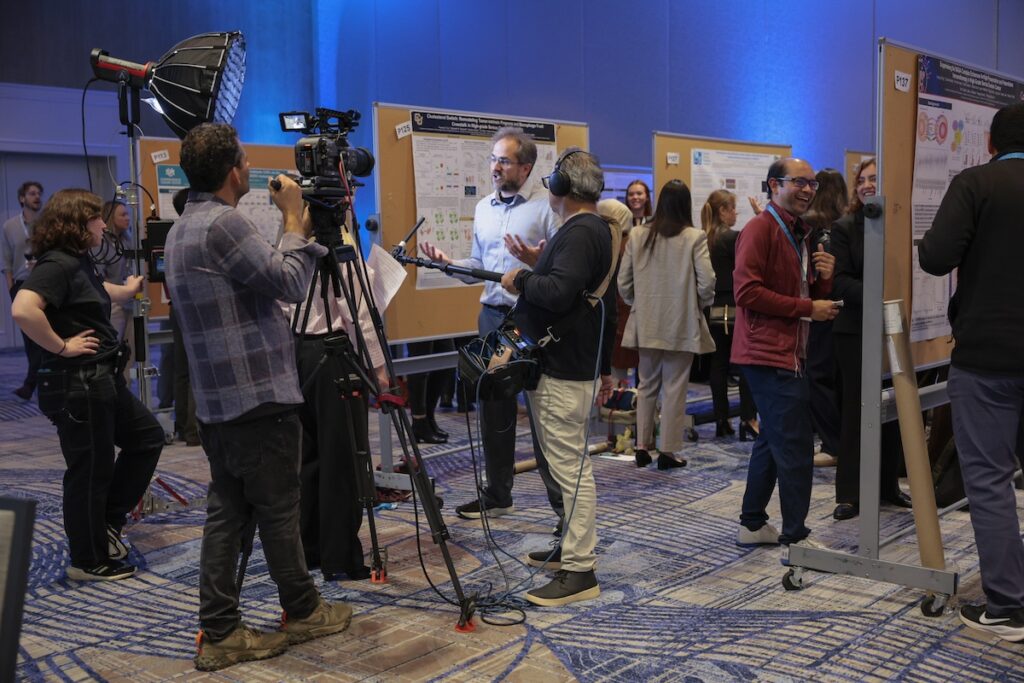
Beyond the main sessions, attendees had many opportunities to connect. David Huntsman, MD, FRCPC, FCCMG, a member of OCRA’s Scientific Advisory Committee, led a breakout discussion on bridging basic science research to the clinic. Other breakouts covered collaborating with pharma and industry, partnering with patient advocates, navigating the current funding environment, and where AI can fit into research. Career development sessions offered support to early-career researchers, and poster sessions gave attendees time to network, forge new collaborations, and exchange ideas one-on-one.
The patient voice was also central to the program. OCRA’s Vice President, Support & Education, Tracy Moore, LCSW, moderated a Patient Advocacy Panel, “From Research to Real Life: The Patient Experience of Ovarian Cancer,” featuring survivors and caregivers.
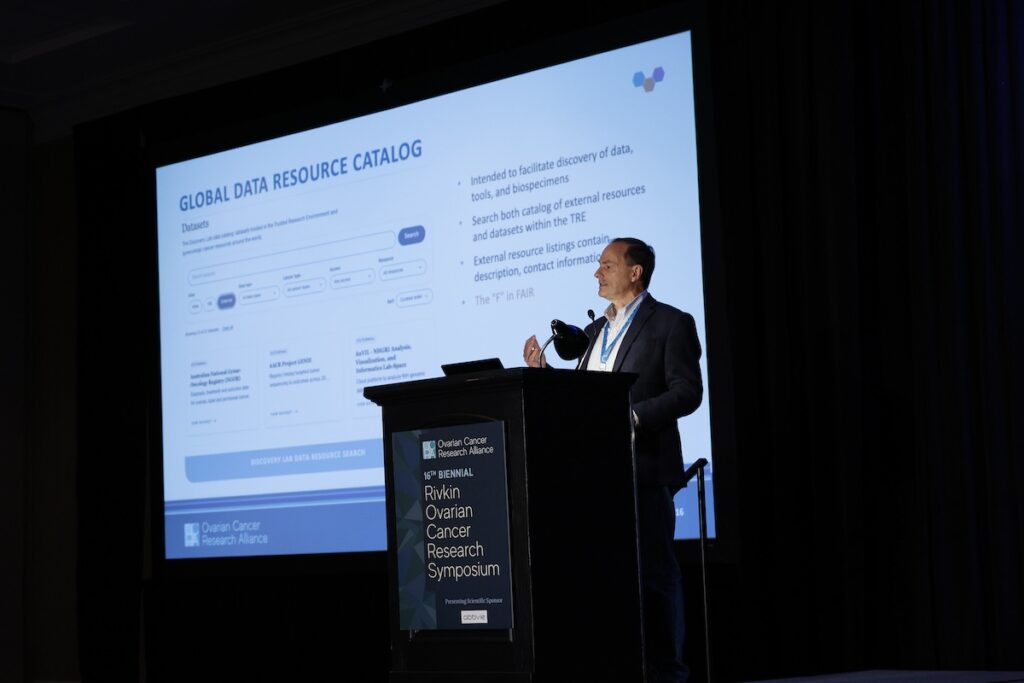
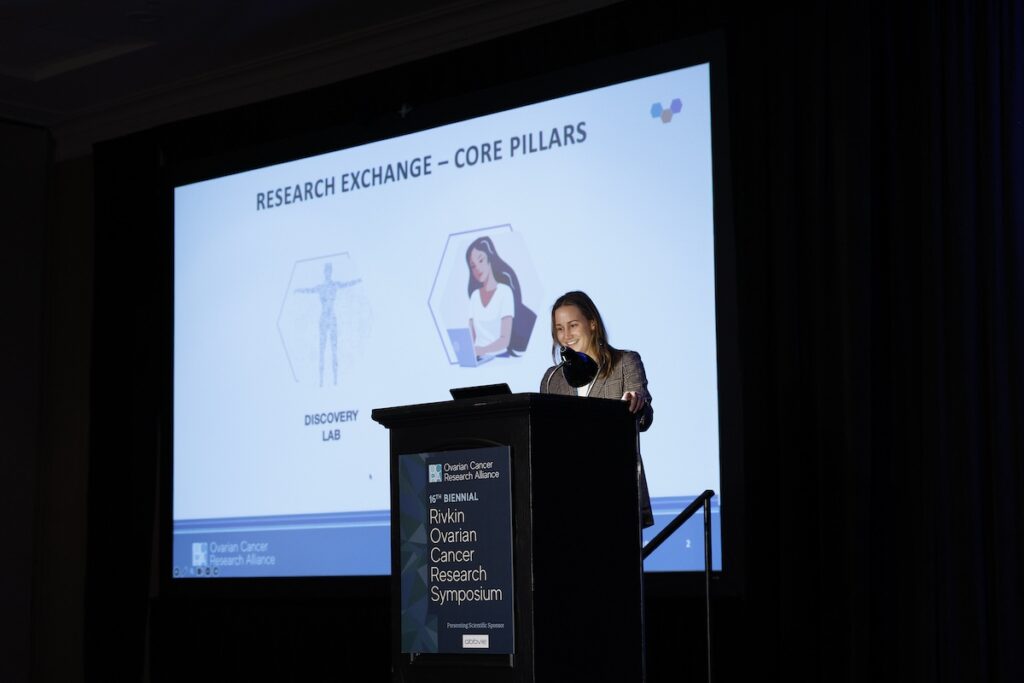
OCRA’s Matthew Trunnell, Principal Architect, Research Exchange, and Allison Ramiller, Senior Director, Living Lab Registry, led a session on OCRA’s Research Exchange, an AI-powered ecosystem that connects patients, researchers, and data to accelerate gynecologic cancer research. Since its launch in May, more than 750 patients have enrolled in the Living Lab registry, and the Discovery Lab continues to expand opportunities for researchers to put that data to work.
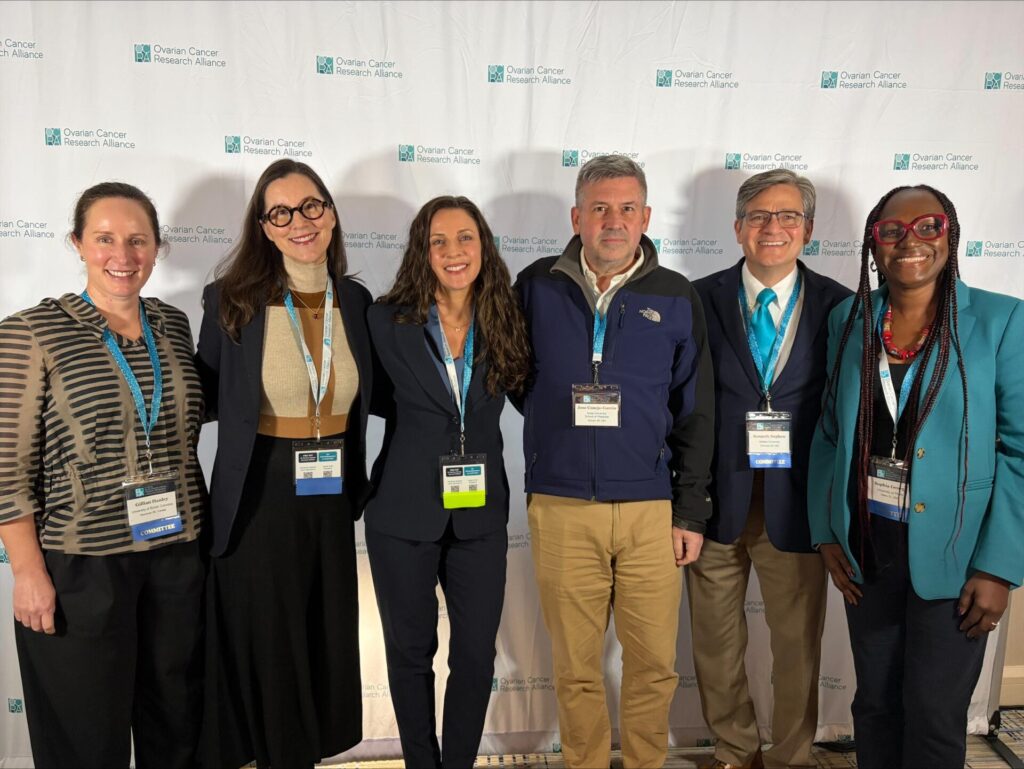
OCRA thanks our Symposium co-chairs, Jose Conejo-Garcia, MD, PhD, Duke University; Sophia George, PhD, University of Miami; Gillian Hanley, PhD, University of British Columbia; Kenneth Nephew, PhD, Indiana University; and Fiona Simpkins, MD, University of Pennsylvania, for their work shaping the scientific content for this event.
OCRA is grateful to the sponsors who helped make the Symposium possible, including Presenting Scientific Sponsor AbbVie; Advocate Sponsors AstraZeneca, Corcept, and Genmab; and Contributor Sponsor GSK.